
Planning a long-distance move? San Ysidro Car Express Shipping offers state-to-state auto transport solutions for individuals, families, and businesses. Whether you're relocating from California to another state or arranging transportation to Southern California, explore convenient shipping options that help you move your vehicle without making the entire drive yourself.
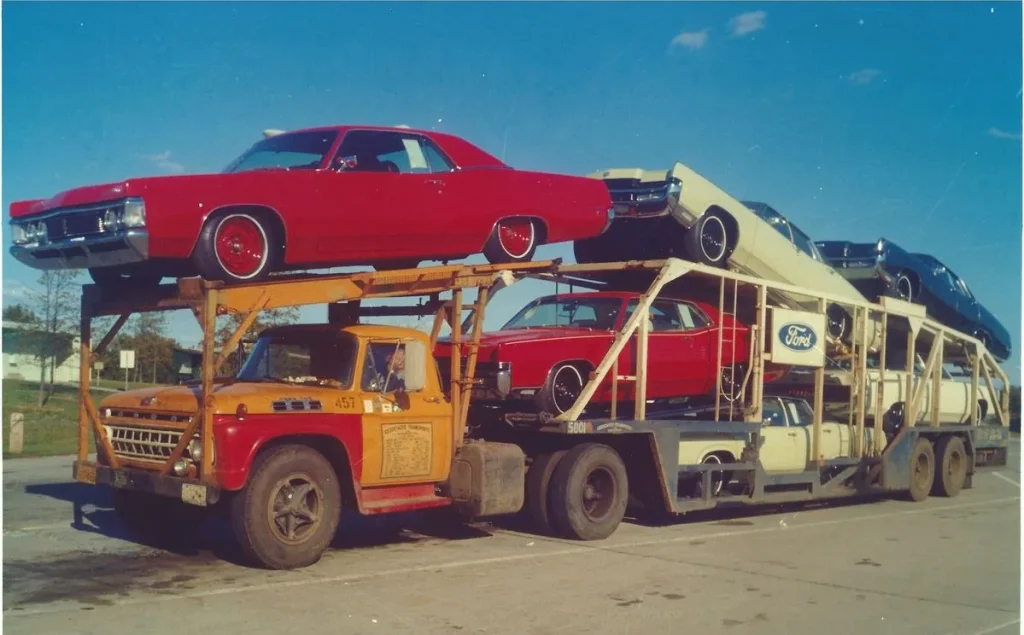
Moving from one state to another involves numerous decisions, including how to transport your vehicle.
Driving hundreds or thousands of miles can require significant time, fuel, accommodation, and planning.
State-to-state auto transport provides an alternative by allowing customers to arrange professional vehicle transportation between locations in different states.
San Ysidro Car Express Shipping helps customers explore interstate vehicle shipping services from San Ysidro and the greater San Diego area to destinations throughout the United States.
Whether you’re relocating for employment, purchasing a vehicle from another state, or planning a family move, interstate car shipping can simplify an important part of the process.
State-to-state auto transport is the transportation of a vehicle between locations in two different U.S. states.
This service is commonly used by individuals relocating long distances, vehicle buyers, students, military families, and businesses.
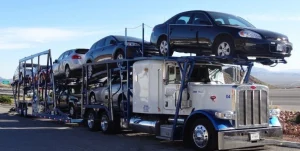
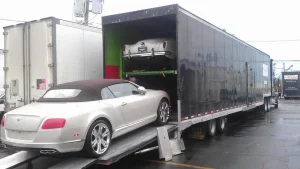
Depending on the vehicle and customer’s preferences, transportation may be arranged using an open or enclosed carrier.
Open carriers are generally more economical and commonly used for standard vehicles.
Enclosed trailers provide additional protection from outdoor conditions and may be preferred for luxury, classic, or specialty automobiles.
The best shipping method depends on your vehicle, budget, route, and transportation priorities.
Driving across multiple states can involve long hours behind the wheel.
By arranging vehicle transportation, customers can focus on other parts of their relocation or travel plans.
This may be particularly useful when moving an entire household or coordinating multiple vehicles.
Long-distance driving adds mileage to a vehicle.
Interstate auto shipping allows customers to transport their automobiles without accumulating the same mileage associated with driving the entire route.
This can be appealing for leased vehicles, recently purchased cars, or automobiles whose owners want to limit unnecessary use.
A long-distance move often requires coordinating housing, employment, school schedules, and travel arrangements.
Shipping a vehicle can help separate the transportation of the automobile from the customer’s personal travel plans.
Customers can compare open and enclosed transportation based on vehicle requirements.
They may also be able to request door-to-door pickup and delivery arrangements where carrier access permits.
These options make interstate vehicle shipping adaptable to different circumstances.
Provide your vehicle’s make, model, year, operational condition, and any special requirements.
Share the pickup and delivery locations, including the relevant ZIP codes.
The route and vehicle details help determine available transportation options and estimated costs.
Review open and enclosed shipping options.
Consider your vehicle’s value, desired level of protection, budget, and scheduling preferences.
Confirm the applicable transportation terms before making a booking.
Clean the vehicle and photograph its existing condition.
Remove prohibited personal belongings and secure removable accessories.
Check the vehicle’s operational condition and disclose any problems that could affect loading.
The driver coordinates pickup at the agreed location.
If the selected address cannot accommodate a large transport carrier, a nearby accessible meeting point may be necessary.
The vehicle’s condition is typically documented before loading.
The vehicle is transported along the assigned route toward the destination state.
Transit times depend on distance, route conditions, carrier schedules, weather, and other operational factors.
Customers should treat delivery dates as estimates unless a specific guarantee is expressly included in their transportation agreement.
When the vehicle arrives, inspect its condition and compare it with the pickup documentation.
Complete the required paperwork and retain copies for your records.
Professionals moving to another state may prefer to arrange vehicle transportation while managing housing and employment changes.
Families coordinating household moves can use interstate shipping to reduce the number of vehicles that need to be driven.
Customers who purchase vehicles from sellers in other states can arrange transportation to their preferred destination.
Students moving between home and college may use auto transport when bringing a vehicle to a different state.
People who spend different parts of the year in different states may arrange vehicle shipping to support seasonal travel plans.
Businesses may need to move eligible vehicles between offices, dealerships, or other commercial locations.
The overall cost of state-to-state auto transportation depends on several variables.
Transportation distance: Longer routes generally involve higher total transportation costs.
Vehicle dimensions: Large SUVs, trucks, and oversized vehicles may require more trailer space.
Shipping method: Enclosed transportation generally costs more than open shipping.
Seasonal demand: Carrier availability and pricing can change during busy relocation periods.
Route popularity: Major transportation corridors may offer different availability than remote routes.
Vehicle condition: Inoperable automobiles may require specialized loading equipment.
Pickup flexibility: Customers with flexible dates may have access to a wider range of transportation arrangements.
Because these factors vary, personalized quotes provide more useful estimates than generalized price ranges.
Transit times depend on the distance between states and the transportation route.
Shorter interstate shipments may require less travel time than cross-country deliveries.
However, carrier schedules, loading arrangements, traffic, weather, and required rest periods can affect arrival estimates.
Customers should also distinguish between the pickup scheduling window and the actual transportation period.
When planning a relocation, allow reasonable flexibility around the expected delivery date.
Begin planning your vehicle shipment before your preferred moving date.
Provide accurate pickup and delivery addresses and disclose vehicle modifications or mechanical problems.
Review the booking agreement, payment conditions, and insurance information carefully.
Document your vehicle’s condition before transportation and inspect it when delivered.
Keep relevant shipping documents and contact details available throughout the process.
At San Ysidro Car Express Shipping, we understand that long-distance vehicle transportation is an important part of relocation planning.
Our goal is to help customers explore practical shipping solutions suited to their destinations, vehicles, and schedules.
From open auto transport to enclosed shipping and convenient pickup arrangements, we provide information about available options for different interstate transportation needs.
We focus on clear communication and helping customers understand the shipping process before making a decision.
Planning to move your vehicle from California to another state or arrange transportation to the San Diego area?
Contact San Ysidro Car Express Shipping to discuss your route, vehicle details, and preferred shipping dates.
San Ysidro Car Express Shipping
144-46 E San Ysidro Blvd, San Ysidro, CA 92173, USA
Phone: (619) 492-4307
Email: info@sanysidrocarexpressshipping.com
Website: sanysidrocarexpressshipping.com
Explore convenient state-to-state auto transport options and request your personalized quote today.
Find answers to some common questions about car shipping and vehicle transportation.
The cost depends on the shipping distance, vehicle size, transport type, pickup and delivery locations, and seasonal demand. Open transport is generally more economical than enclosed shipping. Contact us for a quote based on your specific requirements.
Delivery times vary depending on the distance, route, carrier availability, weather, and road conditions. Shorter California routes may take less time than cross-country shipments. Pickup and delivery estimates should be confirmed when scheduling.
Open car transport is a popular choice for everyday vehicles because it is generally affordable and widely available. Enclosed transport provides additional protection from outdoor exposure and is often preferred for luxury, classic, and specialty vehicles.
You or an authorized adult representative should be available to release or receive the vehicle, review its condition, and complete the necessary inspection documents. Specific requirements may vary by carrier.
Clean your vehicle, remove loose personal belongings, document its condition, check for leaks, and make sure the battery and tires are in suitable condition. Keep the fuel level relatively low, commonly around one-quarter of a tank, unless your carrier instructs otherwise.